
DEPLOIEMENT DEVOPS
Choisissez Cycloid pour votre déploiement DevOps
Le DevOps est-il démodé ? Au contraire, il sous-tend l’esprit même du platform engineering. Ne perdez pas espoir !
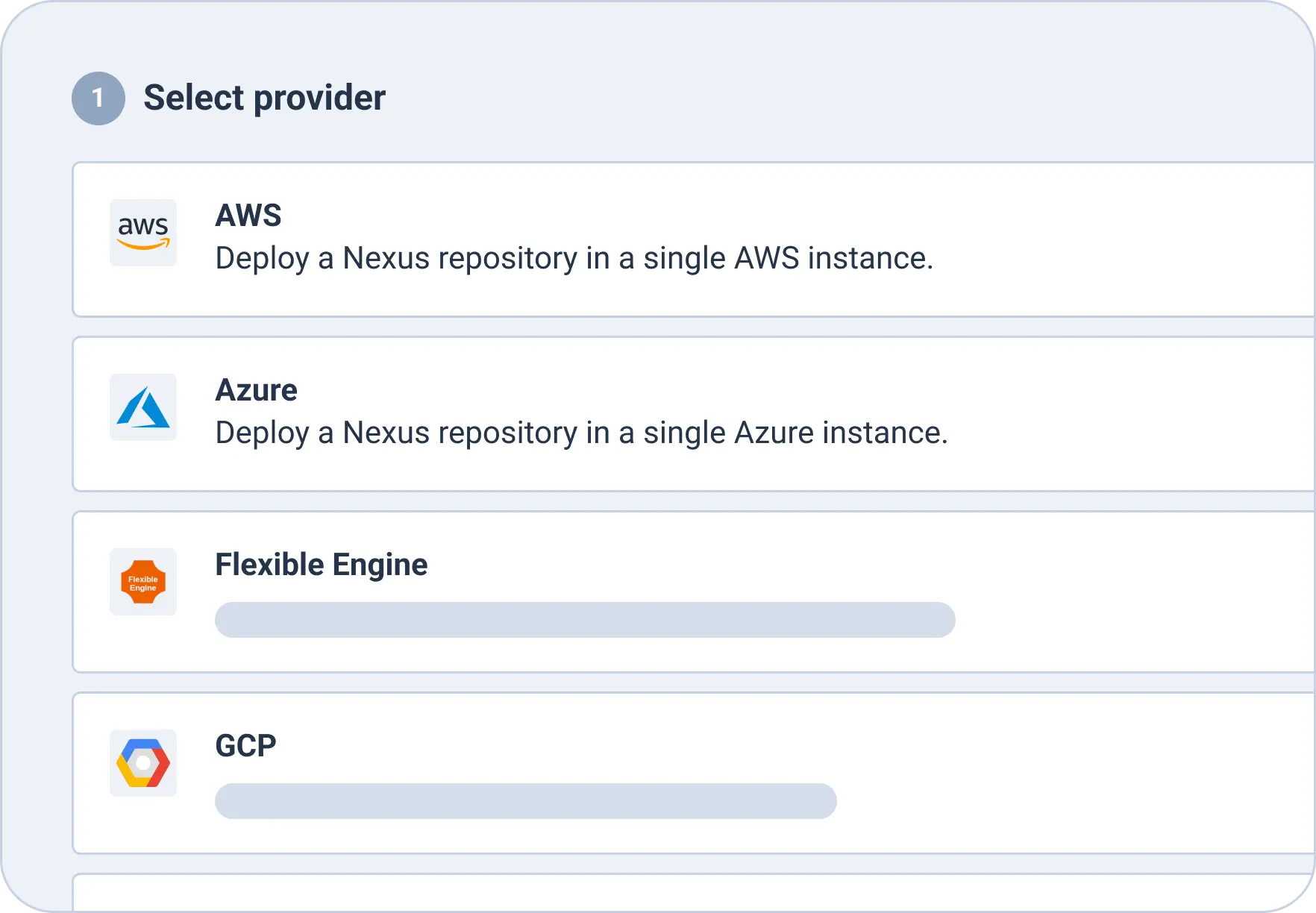
In this video, we are going to review how the platform teams will implement your CMP and IDP use cases. So let's get started. The first thing you want to do as a DevOps is to create what we call a stack, which is basically an automation. So let's push this button, create a new stack. And as you can see, you have two options, import your infrastructure with generate infrastructure as code from something already deployed or create from blueprint, which is a blueprint of, an automation that your center of excellence will have approved. So let's go for that. Here you can see we have, multiple automations including Terraform, Ansible, and Chart. You can add more, of course, such as native Kubernetes manifest or for Argo CD or for Flux or for any other kind of automation. You can build your own blueprints. So let's take, Terraform for AWS as an example here, and I'm going to create a stack that is, for example, named my infra on AWS. And I'm going to push this blueprint inside this catalog repository. So let's go. Here it is. I have my new stack that has been pushed in this repository. Let's have a look at it. So I'm going to go here. This is my demo organization git that has been connected to my organization. And here I can see on my stacks branch. Okay. I have my info on AWS stacks. So if I go in here, we can see that just now we have pushed a template of a stack that deploys some Terraform on AWS. So now as a DevOps, what I need to do is to customize my Terraform in the first place. So I will go in my instance. So these are just examples. Okay. So you need to customize this. These are just, simple examples. Then the second thing you want to do is, to review the pipeline because the pipeline is executing the Terraform. But, maybe you want to have a look at it. Okay. So especially the variables that are passed to my Terraform modules. Okay. So these are the variables passed to your Terraform modules. It's pretty simple in that case. And, here you have just the execution of the Terraform. This is the destroy, and here you have the Terraform apply that is, just here. Pretty simple. It's, pure YAML. The template usually is good enough, so you don't have to change so much if you want to just execute some Terraform. Then you have the dot cycloid dot YAML, which is the metadata on how the stack is displayed on the portal. So you have, here the name for the stack. You have a description, you have an image, some keywords. So it's basically how it is displayed. And then you have the read me, which is, some documentation the user can see directly if you click on the stack in the portal. So now I want to check this dot form dot HTML, which is a very important file. It is actually the design of the web form that you want to expose to the end user when he wants to actually use the automation and deploy some infrastructure, for example, or some applications. And here, I want to expose some AWS account list, some region, taken from this endpoint. It's just examples, of course. I want to to have the end user select an instance type. It will be a Terraform variable named VM instance type. And, I allow the end user to select between these three choices. The default value will be that one. Okay. And, basically, if you want to design all these as as a DevOps, you will copy this file and then go to tools, stack form editor. And then here, I will just paste this file. I validate. And as you can see, there is no error. So the syntax is good. And here you can actually play with it. So you can see how it looks like. So here, for example, my instance type, I have these three choices and you can see these three choices are presented in, what we call a slider list. Okay. So it's a slider list, in a horizontal manner. Here you have a slider range between a minimum and a maximum value, and you it's rendered exactly like that. So you can choose, for example, one hundred, gig here. And you can really, do very powerful things with, for example, conditional fields. So here you have examples you can directly use. And here you can see if I select this, there is conditional field for advanced use cases, for example. Or you have, you know, dynamic values. So if you want, for example, to have, here from ten to fifty, and if I select that, then the values will change. Okay. And that's what you can actually see in here. So that's kind of logic you can do as well. So you really build your StackForms, design, in this tool. And whenever you are happy with it, you go back in here and you push your file in the git repository. So that's basically what a DevOps will do. Okay. So that's how you create stack, and make them available to your end user. But you want also to customize the portal itself. So to do that, you will go to organization settings. And here you can brand exactly in your color the the portal. Right? So here I have put my logo. I have put my color. But if you want to change the color, that's not a problem at all. You will just go here and, select another color. And whenever you are happy, you can do save. And then and then you can see the color has changed because I have just changed the color of my custom white label portal. Another thing very, very important, is the possibility to customize the portal. So you can really integrate any third party tool that you may have. So this is how your platform team will be able to build a service catalog for your end users, display it in a custom self-service portal exactly branded with your logo and your colors, and also expand the portal with some custom plugin to integrate your different tools. So all your users have all the information they need in one place. I hope you enjoyed this video.
Quel est le défi ?

DevOps values still aren’t the default values of your org


Permettre à votre équipe de bénéficier des avantages du DevOps s’est avéré plus difficile que prévu, n’est-ce pas ? Même au bout de 10 ans, la plupart des initiatives demeurent enlisées. Les tâtonnements peuvent donner lieu à des décisions discutables, qu’il s’agisse de l’adoption de plateformes « faites maison » qui créent plus de problèmes qu’elles n’en résolvent, d’infrastructure manuelle entravante, ou de recrutement « désespéré » interminable. Comment l’expliquer ? En réalité, le problème dépasse la question des outils ou des nouveaux ingénieurs ; il concerne la flexibilité, la fluidité, et la durabilité. Rien que ça… Est-ce que vous pouvez compter sur votre fournisseur d’identité (IdP)?
Débloquez le DevOps pour assurer la croissance et de la fluidité de votre organisation.
Notre plateforme a été construite pour la gestion des changements organisationnels
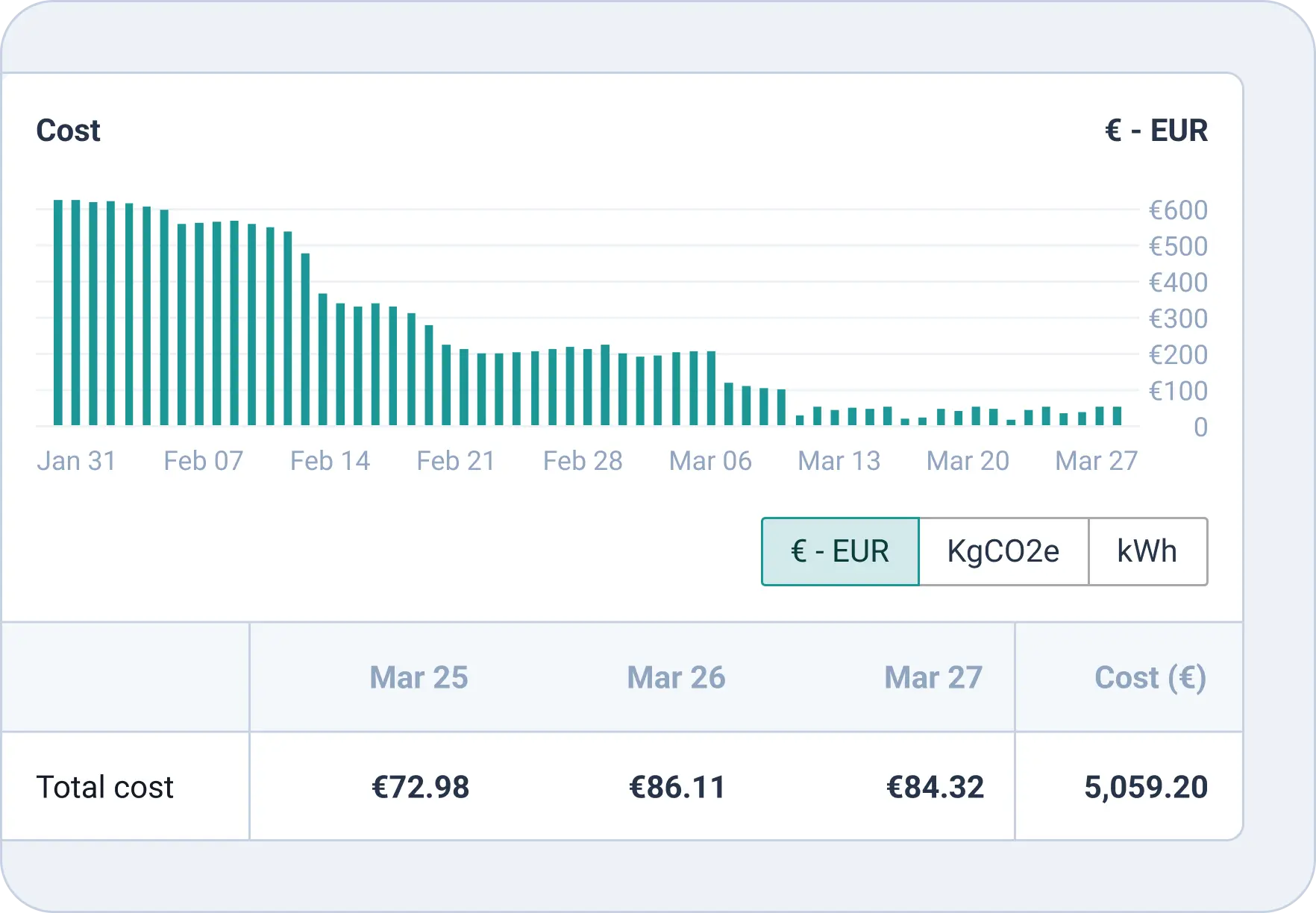
Nous l’avons toujours dit, la transformation numérique passe avant tout par la gestion des changements, plutôt que par les outils. Et cette gestion repose sur les décisions et les actions de votre équipe. Nous ne pouvons (et ne devrions) pas prendre les décisions à votre place, mais une fois que vous les avez prises, nous pouvons vous aider à les concrétiser. Vous souhaitez enfin mettre un terme aux coûts excessifs du cloud ? Il vous faut l’outil Gestion des coûts du cloud. Vous voulez inspecter et définir les autorisations ? InfraPolicies vous accompagne du début à la fin. Vous avez décidé de passer sur le cloud, mais avez besoin d’une solution pour votre infrastructure héritée ? Vous pouvez compter sur Infra Import. Voilà du changement, concret.
Cycloid prête main-forte à votre équipe telle qu’elle est, pas à celle que vous pensez devoir recruter
Beaucoup d’organisations considèrent à tort qu’elles ont besoin d’embaucher une nouvelle équipe entière de platform engineering pour déployer le DevOps. Non seulement cela représente une injustice pour votre équipe actuelle, il s’agit aussi d’une décision coûteuse et très laborieuse à mettre en place. A la place, Cycloid vous donne les clés pour aider et faire monter en compétences votre équipe actuelle en permettant aux développeurs d’accéder à l’infrastructure grâce à des outils comme StackForms, en ouvrant l’infrastructure à tous les acteurs (experts ou non) avec InfraView, et en assurant que toute cette souplesse et cette indépendance ne conduisent pas au chaos grâce à des fonctionnalités de gouvernance telles que Cost Explorer, Custom Roles et InfraPolicies.
Il faut intégrer la durabilité en long et en large
La durabilité n’est pas un mot à la mode ou un feu de paille. Il s’agit d’une méthodologie solide qui a fait ses preuves pour aider les entreprises à transformer leurs équipes informatiques et pour suivre le rythme des affaires sans s’essouffler. Préparez-vous pour le long terme et pour les changements imprévisibles grâce à une plateforme personnalisable d’un bout à l’autre, qui pourra s’adapter aussi rapidement que nécessaire. Grâce à des intégrations quasi infinies, à l’absence de blocage fournisseur, et à des fonctionnalités qui appuient le cycle de développement logiciel du début à la fin, Cycloid est l’outil rêvé pour enfin mener à bien les projets de votre entreprise.

Résultats
Un état d’esprit qui privilégie le DevOps
Soyez visionnaire et permettez, à l’aide de Cycloid, à votre équipe d’adopter un état d’esprit qui fait la part belle au DevOps
Une équipe aux compétences renforcées

Plus besoin de recruter ; permettez à votre équipe d’être celle qu’il vous faut
Des bases solides

Édifiez les fondations de votre réussite et préparez vous à un avenir radieux dès lors que vous avez choisi Cycloid.
Résultats avec Cycloid
Cycloid provides the core features you need to deliver an internal developer portal under a month with your platform team
Un état d’esprit qui privilégie le DevOps
Soyez visionnaire et permettez, à l’aide de Cycloid, à votre équipe d’adopter un état d’esprit qui fait la part belle au DevOps.
Une équipe aux compétences renforcées
Plus besoin de recruter ; permettez à votre équipe d’être celle qu’il vous faut.
Des bases solides
Édifiez les fondations de votre réussite et préparez vous à un avenir radieux dès lors que vous avez choisi Cycloid.
Le DevOps est toujours la fin, et le platform engineering en est le moyen.
