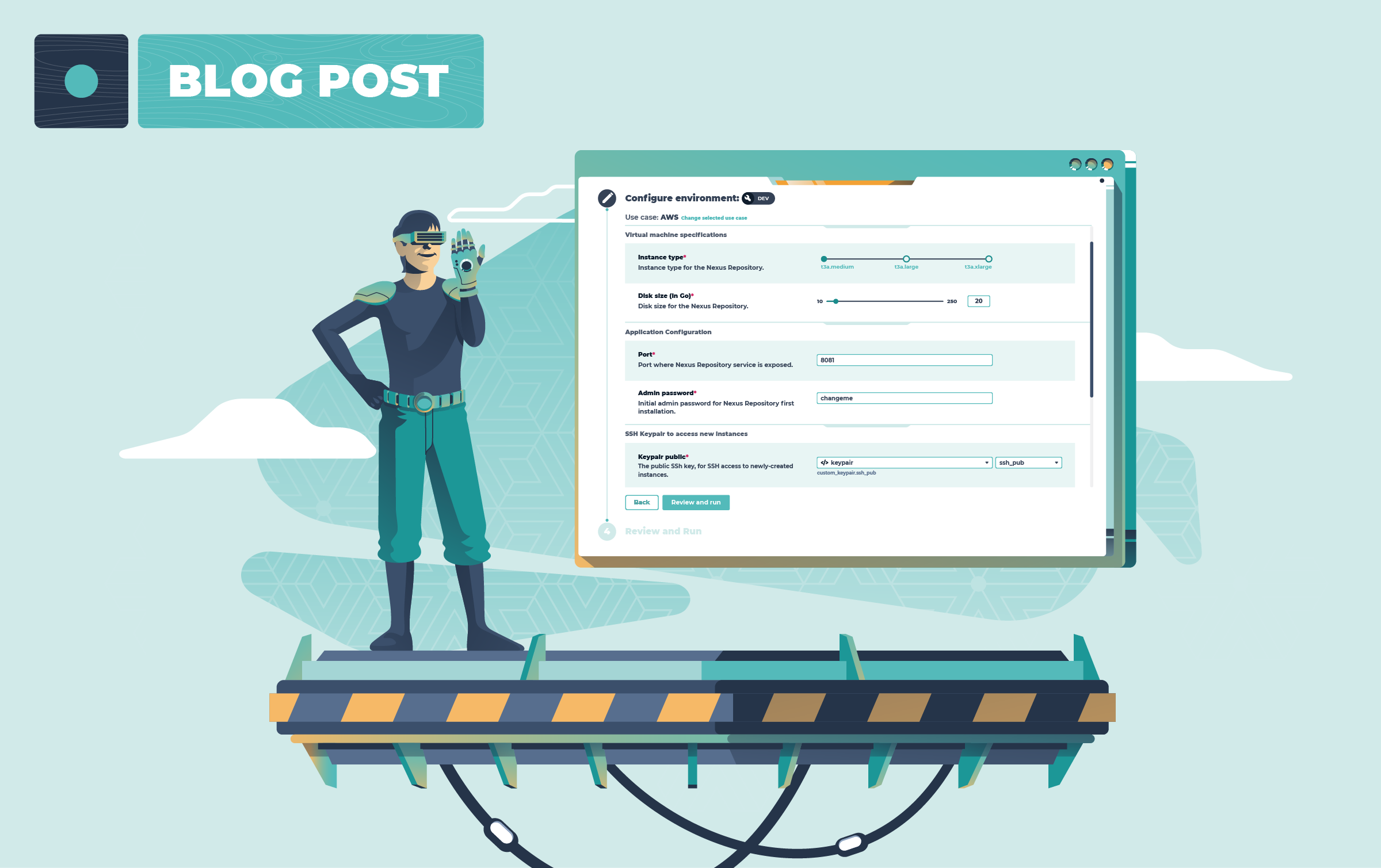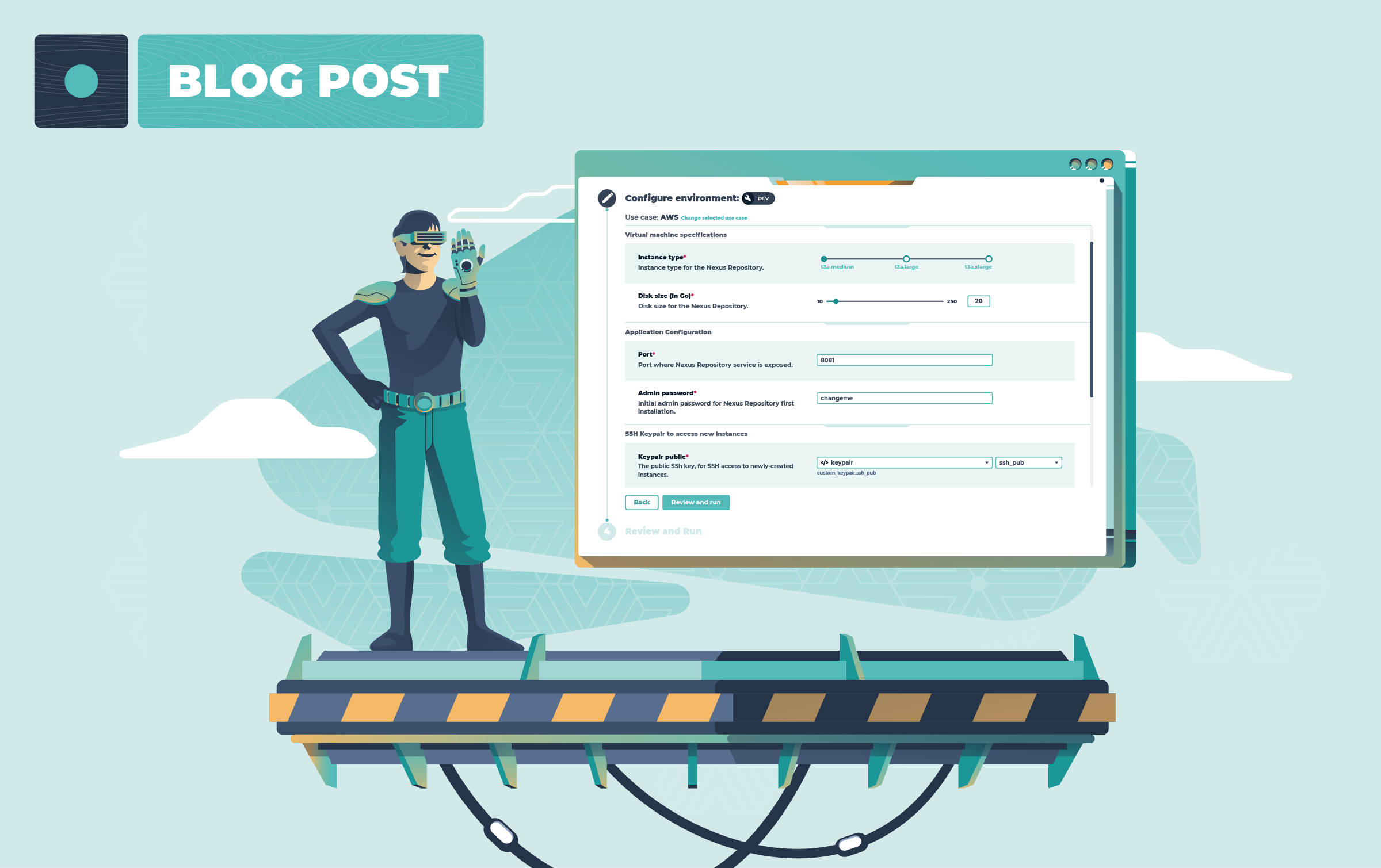







Cloud Development Environments: How Platform Teams Govern Them at Scale

TL;DR Ticket queues treat every infrastructure request as a custom job with unbound variables. This lack of constraint turns manual debugging sessions into undocumented baselines that break downstream environments. Storing infrastructure templates separately from environment parameters prevents production defaults from bleeding into testing tiers. Collapsing these layers into one path guarantees oversized test instances and … Read more


Service Catalog Tools: The 2026 Comparison Guide for Platform Engineering Teams

By the Cycloid Platform Engineering team, practitioners building and operating enterprise IDPs since 2015.   Direct Answer. Service catalog tools are software solutions that provide a centralised, developer-facing registry of all internal services, APIs, infrastructure templates, and runbooks – enabling teams to discover, understand, and deploy services without manual coordination. They fall into three categories: ITSM-native … Read more

Software Catalog: What It Is, What It Must Include, and Which Software to Choose (2026)

Direct Answer. A software catalog is the centralised registry inside an internal developer platform that records every service, API, library, owner, dependency, and runtime, so developers can find what exists and platform teams can enforce ownership. A production-ready catalog covers six components: service registry, ownership metadata, API documentation, dependency mapping, health and maturity scoring, and integration … Read more

API Portals: A Hands-On Guide for Building Self-Service API Platforms (2026)

API portals are developer-facing interfaces that expose APIs – with documentation, authentication, access controls, and usage tracking – enabling developers to discover and consume APIs without platform team involvement. They fall into two types: external API portals (exposing product APIs to third-party developers via Kong, Apigee, Stoplight) and internal API portals (exposing IaC automation APIs … Read more

Features of Internal Developer Portals: The Complete Checklist (2026)

IDP blog post image

By the Cycloid Platform Engineering team, practitioners building and operating enterprise IDPs since 2015.   Direct Answer. The core features of an internal developer portal are: (1) a service catalog for service and template discovery; (2) self-service provisioning with IaC-backed templates; (3) role-based access control (RBAC) for governance; (4) IaC integration (Terraform, OpenTofu, Pulumi, Ansible); (5) … Read more

What Is Cloud Provisioning? Definition, Approaches & Tools (2026)

blog post image

By the Cycloid Platform Engineering team, practitioners building and operating enterprise IDPs since 2015.   Last updated: Q1 2026 – Refreshed with the 3 provisioning approaches, current tools comparison, and IDP-native positioning. Cloud provisioning is the automated process of setting up and configuring cloud infrastructure resources – virtual machines, containers, databases, networks, and storage – … Read more

Developer Onboarding Process: 5 Stages from Access to First Commit

A developer onboarding process is the sequence that takes a new engineer from first-day access to first productive commit. Industry estimates put time-to-productivity at two to four weeks for most teams. Teams running self-service onboarding through an internal developer platform get it under a day. Five stages cover the work: access provisioning, environment setup, codebase … Read more

Developer Onboarding Process: The Complete Guide (2026)

A developer onboarding process is the structured sequence of steps that takes a new engineer from first-day access to first productive commit. The industry average time-to-productivity sits at 2-4 weeks (Valorem Reply, 2026), but teams with automated, self-service onboarding compress that to under a day. A good process covers five stages: access provisioning, environment setup, … Read more

API Portals: A Hands-On Guide to Self-Service API Platforms

blog post illustration of adoption

API portals are developer-facing interfaces that expose APIs with documentation, authentication, access controls, and usage tracking – enabling developers to discover and consume APIs without platform team involvement. They fall into two categories: external API portals (exposing product APIs to third-party developers – Kong, Apigee, Stoplight) and internal API portals (exposing IaC automation APIs to … Read more

Self-Service Portals: Faster, Easier Development

Mechanical keyboard and mouse on a desk, cover image of the Cycloid blog post on developer self-service

Every engineering team has seen it: a developer needs to spin up a new Kubernetes namespace to test a service in isolation. Or maybe deploy a temporary PostgreSQL database to debug a staging issue. Instead of provisioning it themselves, they raise a ticket with the DevOps team. Then they wait. Sometimes for hours. Sometimes for … Read more