

Before you enter
What do you need today?
Choose a Cycloid homepage related to your need, or close this box for a general overview. You can always switch homepage with 1-click.
Here for the AI side? See how agents build on Cycloid ↗
Everything* you need. When and where you need it.
*from one IDP: golden paths or environments you compose yourself, to deploy, run and promote, plus Day-2 actions. A developer experience platform, inside the rules your platform team set.
In production with



Code was never the issue. Developer experience was.
Getting an environment needs the right channel, enough context to act on, then waiting. Then questions come: which region, which size, who owns it?
Half a day on approvals. Time to understand what the Terraform does. None of that was the hard part of the job, and none of it is what you were hired for.
Atlassian surveyed 3,500 devs in 2025. AI saves about 10 hours a week, org friction costs about 10 hours. Only 16% of the week is spent writing code.
16%
Of the week spent coding
50%
Lose 10+ hrs a week
10 hrs
Saved by AI, lost to friction
90%
Orgs already run an IDP
Solutions
Where your day actually happens
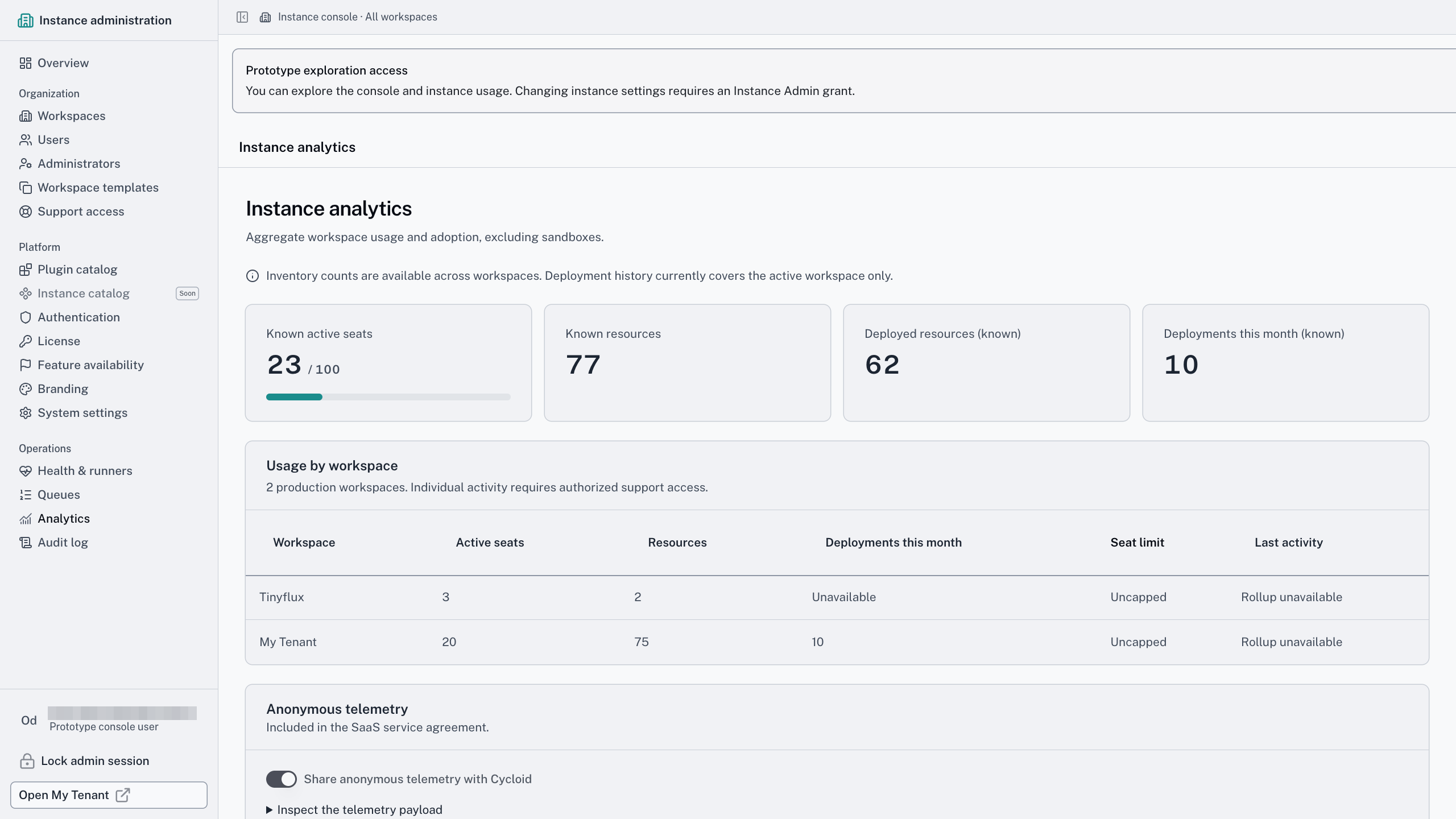
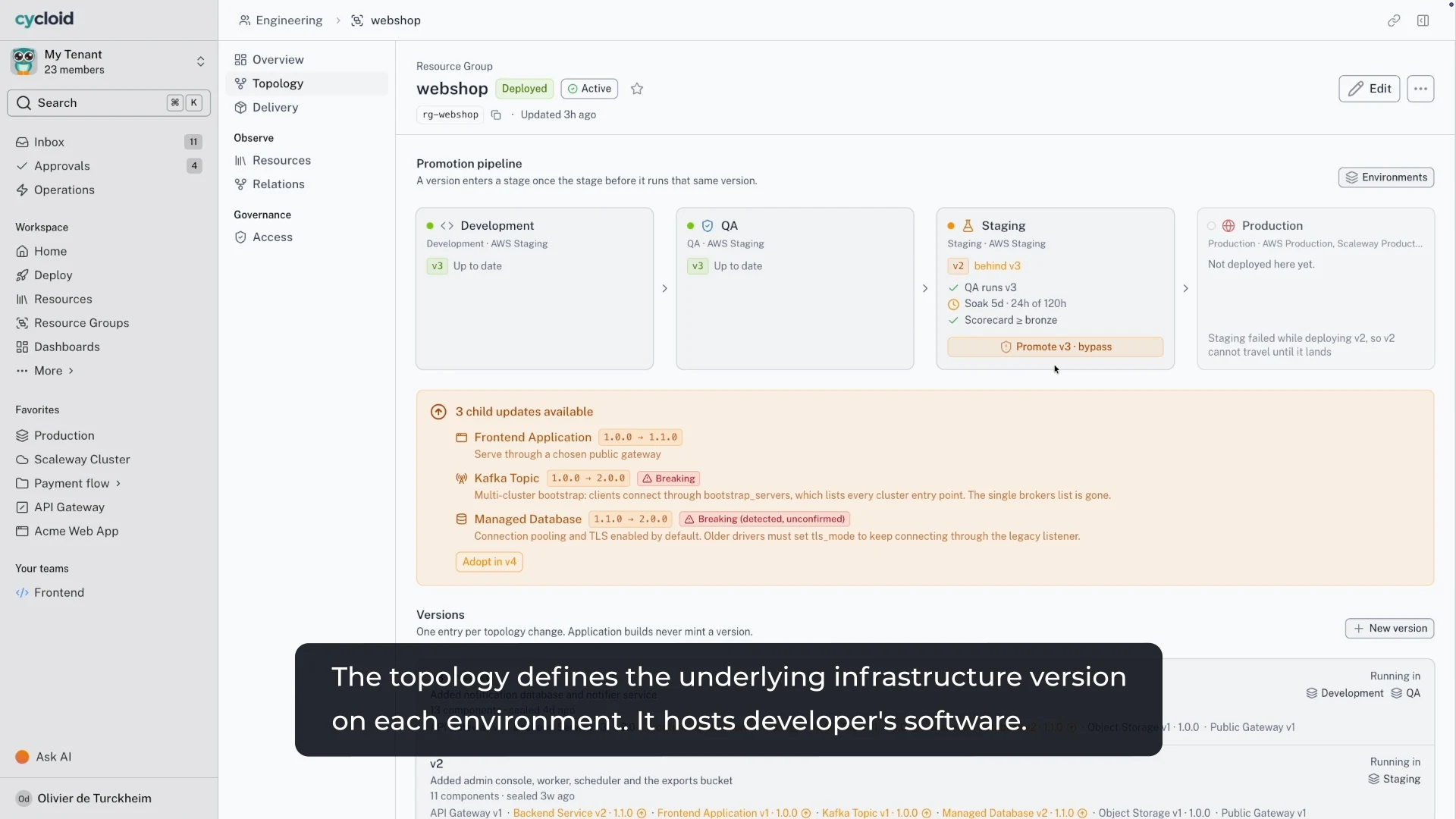
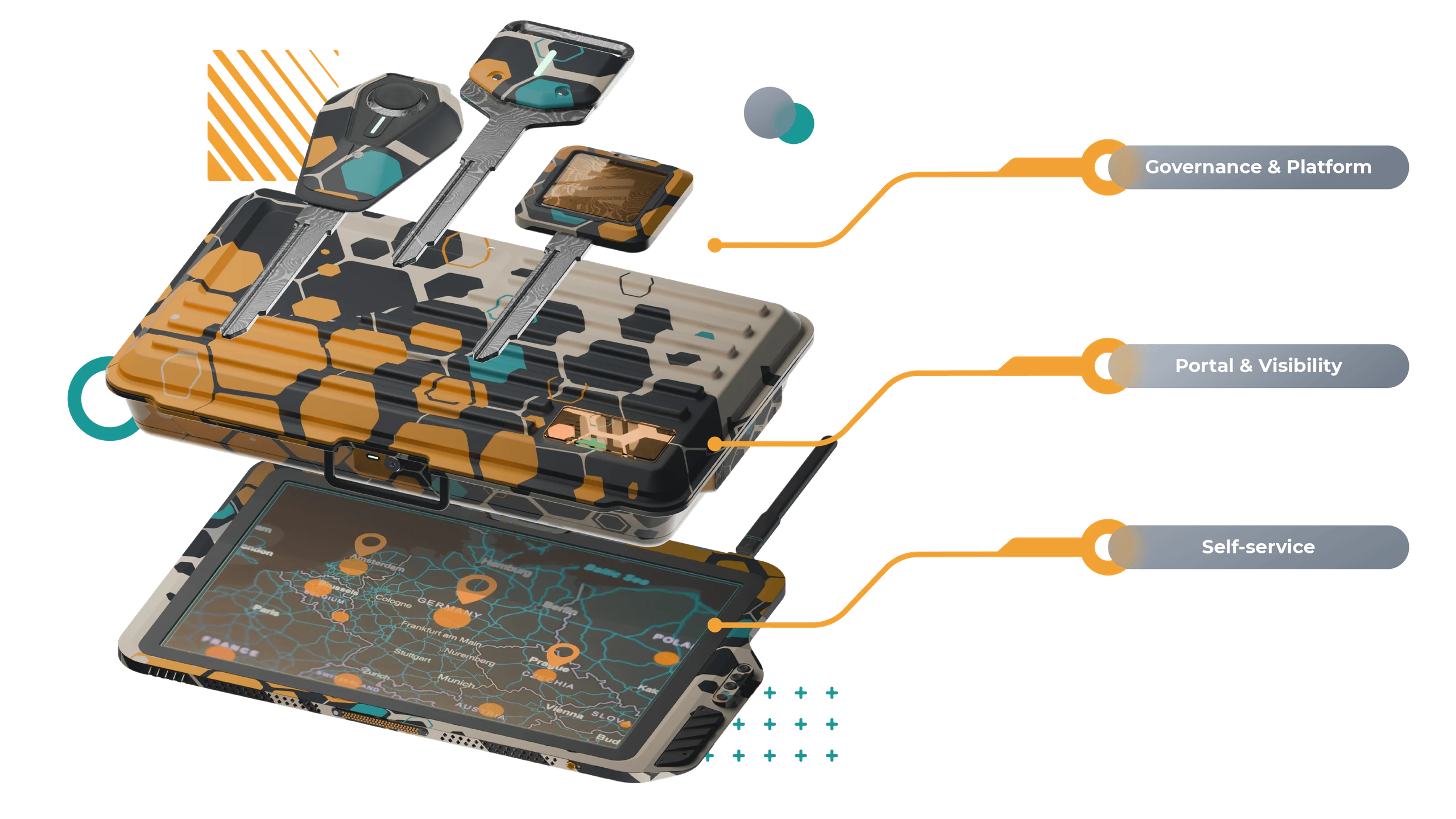
Self-service is where you’ll spend your time. The portal shows what you own. Governance is why nobody approves it by hand.
01
Self-service
Pick a golden path or compose your own, then deploy, run and promote it from one portal.
02
Portal & visibility
Every service you own, its dependencies and its health, without asking around.
03
Governance & platform
The rules are set up front, so approvals only appear where your org needs them.
Something breaks. You can fix it.
Developer independence, the ability to perform tasks without relying on an enabling team, resulted in a 5% improvement in productivity at both the team and individual levels.
DORA, Platform engineering capability, January 2026
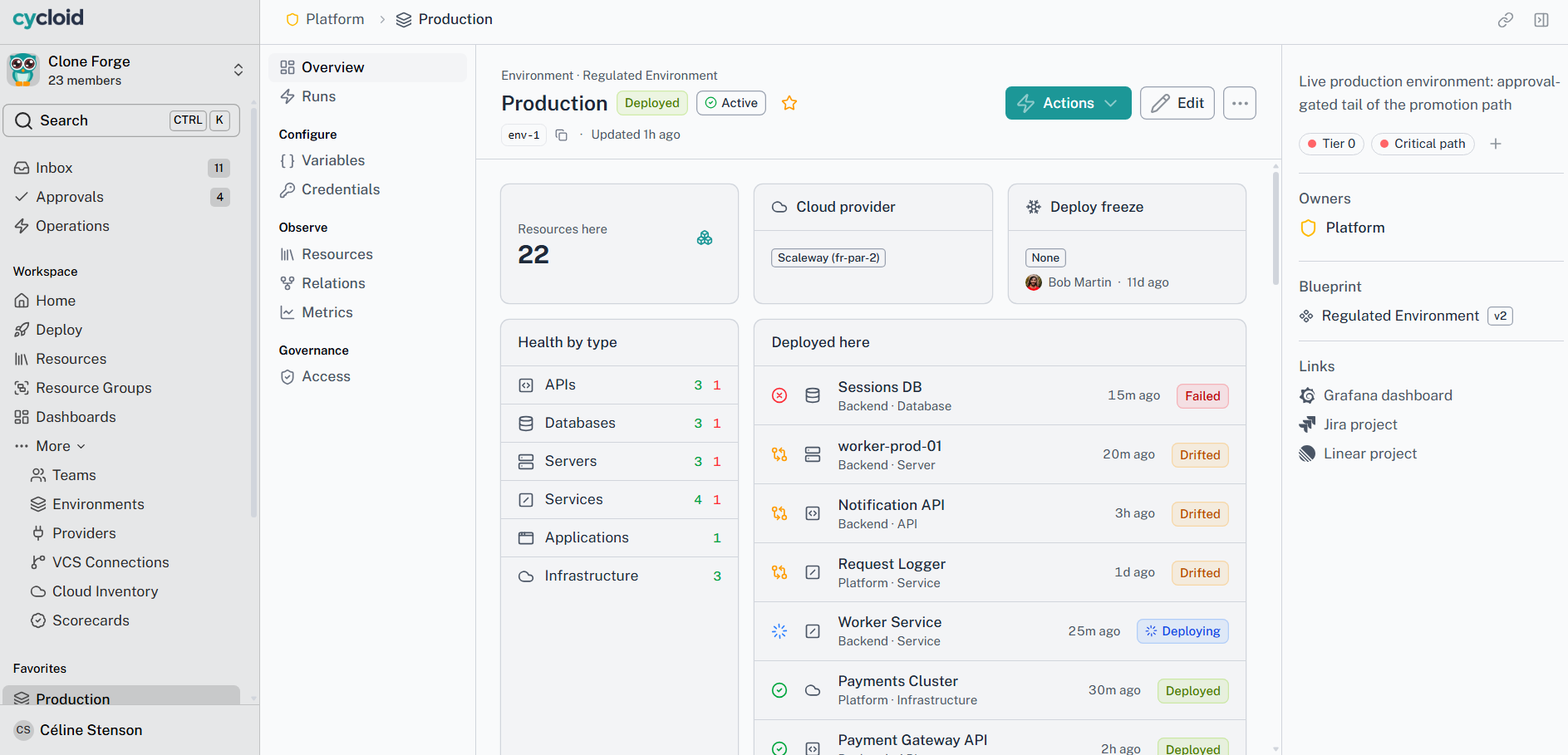
Day-2 Actions are defined once in the Blueprint by the platform team – then you trigger them from the Resource view. Rotate credentials, extend a TTL, run a plan. The same authorisation chain and the same audit trail as Day-1.
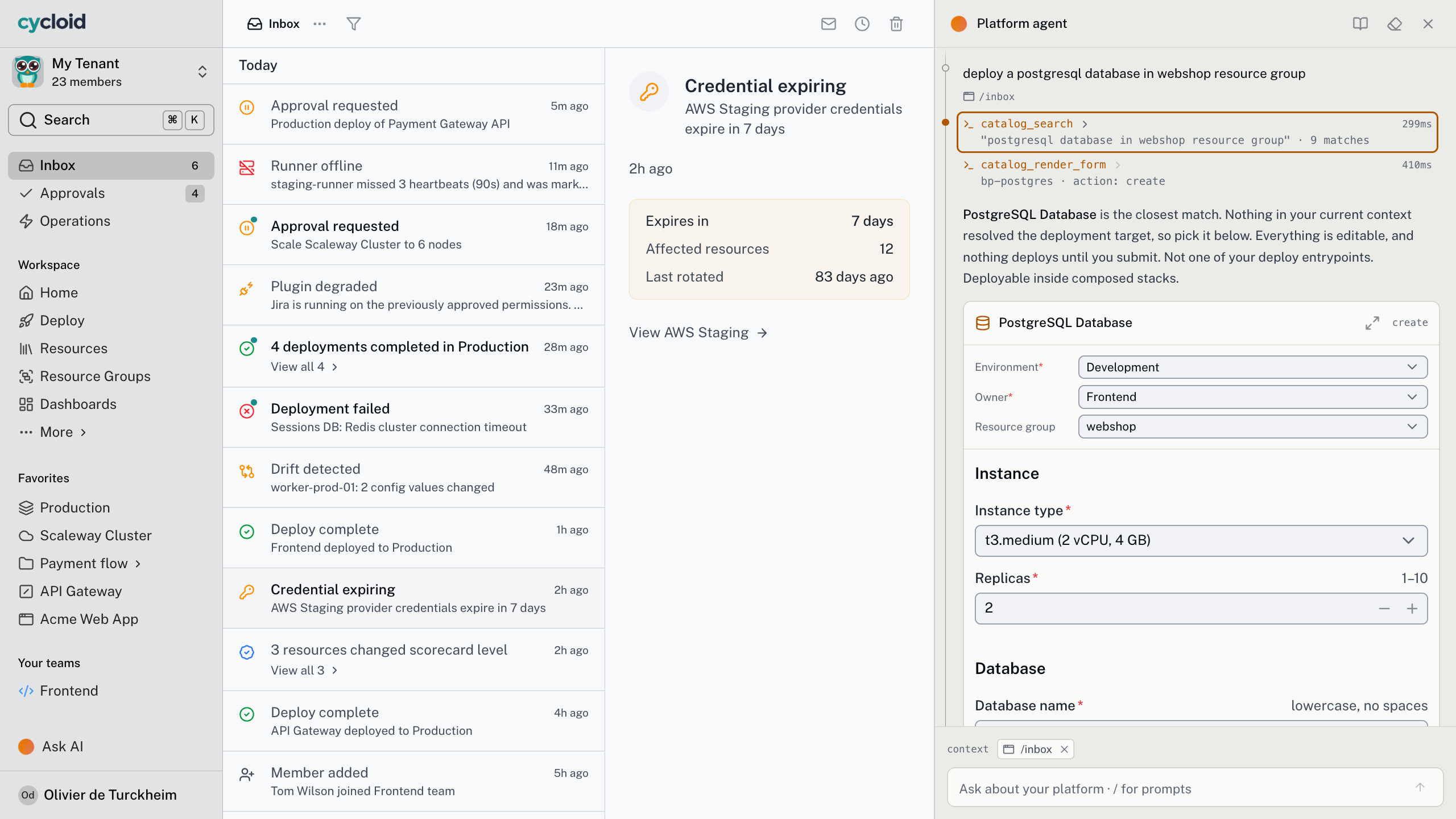
Need to know what changed? Ask the assistant and it returns every deployment, credential rotation and scheduled action from the last 24 hours, inside your permissions. Not three consoles.
No hunting for who owns what.
The person who found the problem can fix it.
<1hr
New environment at Alchemy
Hours
Deployments at Valiantys, down from days
5 hrs
Saved a week at Hotel Spider
~4x
Faster at Orange Cloud, their estimate
Under the hood
Read the code behind the form
Every form sits on Terraform, Ansible or Helm you can open. No black box between the form and your cloud, and the tools underneath are open source.
Build vs buy
Build the portal, or start using one
What an in-house portal costs the people who have to use it.
In-house

A new environment
More than a day at Alchemy before Cycloid
Under an hour at Alchemy
Engineers to keep it running
3 or more, permanently
None. That is the point.
Where the Terraform lives
Someone else’s repo and README
Behind a form showing only what applies to your stack
When you find out the request is wrong
After review, days later
Before you submit. The Form tells you what’s missing or not allowed.
You need a staging environment on Thursday...
The rules are already in the form
Your platform team set the guardrails once. Approvals only show up where your org needs them.

ISO 27001 Certified

HYPE CYCLE 2026
For Platform Engineering
B Corp Certified

IDC Market Glance
COOL VENDOR 2024
Cool Vendor 2024
“Please fill in all four fields.”
And the environment exists. Promote it when it’s ready.
Five jobs, one developer experience
01
Pick a golden path, or compose your own
Take a Blueprint that already carries the architecture decision, or compose from scratch: compute, data, storage. Either way, you stay inside the rules your platform team set.
02
A form instead of someone else's Terraform
Forms turns a Blueprint into a web form, showing only what applies to your stack. Policy validates before submission, so you hear about the wrong region now rather than after the incident.
03
Deploy it, run it, promote it
Promotion paths move your workload from dev to staging to production through the environments your platform team defined, and you see what each change touches.
04
Approvals, before you press deploy
Approvals are on the Form today: a request that needs sign-off, like a GPU cluster, routes to the right approver rather than being rejected, and you can see where it is. Cost estimates on the Form are on the way.
05
Vibe code it. Within the guardrails.
An MCP server hands your editor’s assistant the same access you have: list resources, read a Blueprint, trigger a Day-2 Action.
Deployment
Runs on your estate, reachable from your editor
Works with Terraform, Ansible, Helm and Argo CD, reachable over MCP. TerraCognita and InfraMap are open source.
What it means
Where your data sits
Self-hosted, on-prem or bare metal
Runs inside your company network. Same portal.
Your network. Air-gapped supported.
Dedicated SaaS
A dedicated instance. Same forms and Blueprints.
Isolated account on AWS, Azure, GCP, Scaleway, OVH or Outscale.
Hybrid
Portal managed by us, your workloads deploy locally.
Workloads stay local.
SaaS
Same portal, nothing for anyone to install.
EU-hosted available.
“
The goal was for everyone to deploy a new project in a few clicks, respecting best practices, scalability and automation.
Guillaume Maubert
CEO, Alchemy
From a form to
a running environment
Bring one thing you currently need a ticket for. A staging environment, a Day-2 action, an infrastructure query. Seven minutes and you see it in Cycloid.